Proudly serving Mesa, Gilbert, Chandler, Tempe, Scottsdale, Apache Junction & surrounding areasCall or Text 24/7: 602-601-2703
Aerial drone view of a suburban neighborhood with stucco homes and desert landscaping in Mesa, AZ.

Bariatric Transportation in Mesa, AZ with Specialized Equipment & Vehicles

Mesa Medical Transport provides bariatric transportation in Mesa, AZ, with equipment matched to each patient's weight, dimensions, and mobility. We offer wheelchair, stretcher and gurney, and ambulatory transportation for patients who need help reaching medical care. Our scheduled services include hospital discharge rides, dialysis, chemotherapy, and other medical appointments. We coordinate the vehicle and crew around the patient's needs before pickup.

A standard wheelchair van may not provide the space or equipment a bariatric patient needs. Our fleet includes hydraulic lifts, wide-door vans with reinforced ramps, and bariatric-rated stretchers built to accommodate patients up to 850 pounds. Trained crews consider transfer mechanics, pressure points, and the patient's positioning needs. Call before your appointment so we can review access, equipment, and timing together.

We are a licensed, insured medical transportation provider serving Maricopa County. Our team works directly with case managers, discharge planners, and dialysis centers to coordinate pickup and arrival details.

Mesa Medical Transport provides bariatric transportation in Mesa, Gilbert, Chandler, Tempe, Scottsdale, Apache Junction, and the greater East Valley.

★ ★ ★ ★ ★4.9/5 Average Customer Rating · 19 Years of Transportation Experience · 10,000+ Patient Rides Completed · Licensed & Fully Insured · Serving Patients, Families & Care Facilities

Bariatric Transport Options & Benefits

What Is Bariatric Transportation?

Bariatric transportation is scheduled, non-emergency medical transport for patients whose weight, body dimensions, or mobility needs exceed the capacity of standard transport equipment. The vehicle, stretcher or wheelchair, and crew are selected together for the trip.

Industry guidance generally places the bariatric threshold around 300 to 350 pounds, but weight alone does not determine the right transport. We also assess body width, transfer assistance, and whether the patient can sit upright.

Patients may need this support after joint replacement or weight loss surgery, during recovery from a cardiac event, or after a fall. Share your provider's mobility and positioning instructions when booking so the transport plan reflects your current needs.

Support Built Around the Patient

Bariatric transport brings together suitable equipment, trained assistance, and appointment coordination. These features address the practical challenges of getting from the pickup location to the destination.

  • Bariatric-rated stretchers selected for the patient's actual needs
  • Wide-track wheelchairs with reinforced frames
  • Hydraulic lifts and reinforced ramps for vehicle access
  • Multi-point securement for the ride
  • Crew assistance with bed-to-stretcher transfers
  • Positioning guided by the patient's care plan
  • Climate-controlled cabins for Arizona travel
  • Direct coordination with facility staff
Rides for Ongoing Care

Scheduled Medical Transportation Services

Bariatric equipment can support several kinds of scheduled medical trips. Tell us whether you need a wheelchair ride, a stretcher transfer, or assistance walking, along with the purpose and timing of your appointment.

Wheelchair Transportation

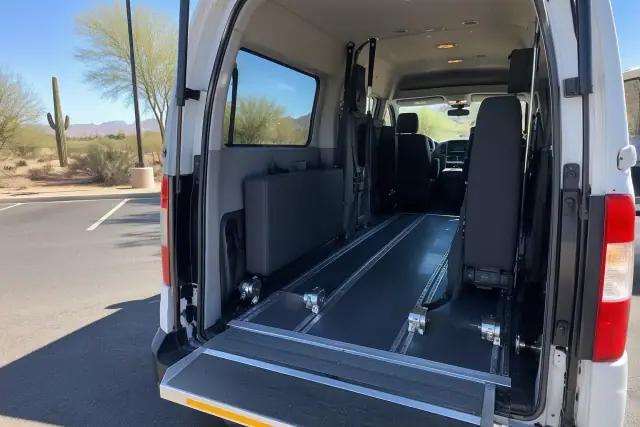
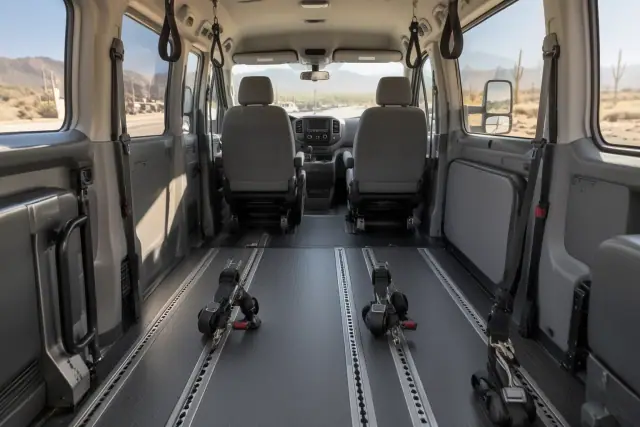
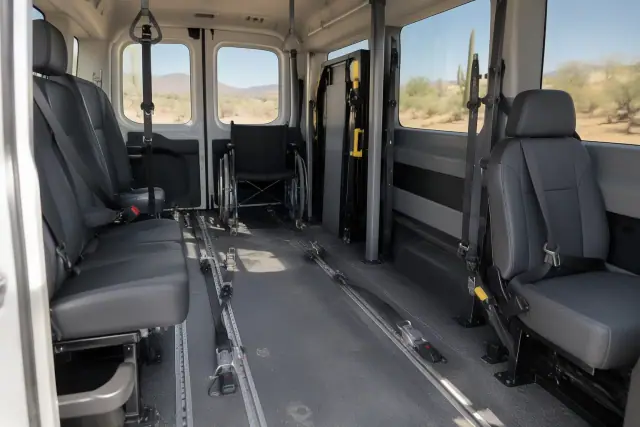
Wheelchair transportation van with secure floor tracks in Mesa, AZ.

Our wheelchair-accessible vans use four-point tie-down systems to secure the chair during travel. Low-angle ramps, level-change lifts, and trained attendants help patients move from the doorway to the vehicle.

Request Estimate

Stretcher and Gurney Transportation

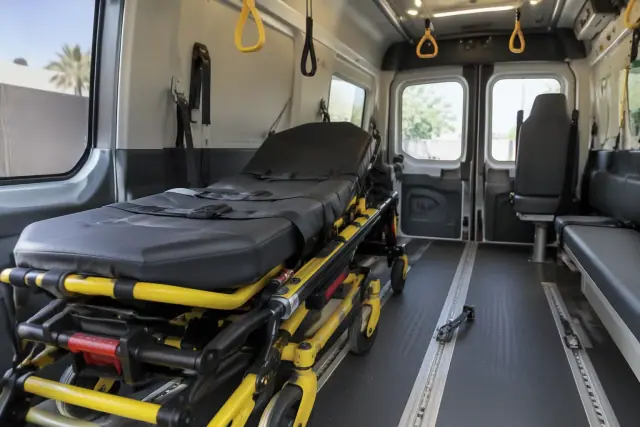
Bariatric stretcher and gurney secured inside a transport van in Mesa, AZ.

Patients who cannot travel seated can ride on a stretcher positioned according to their care plan. Locking wheel brakes and multi-point straps across the chest, hips, and legs secure the equipment and patient for transport.

Request Estimate

Hospital Discharge Transportation

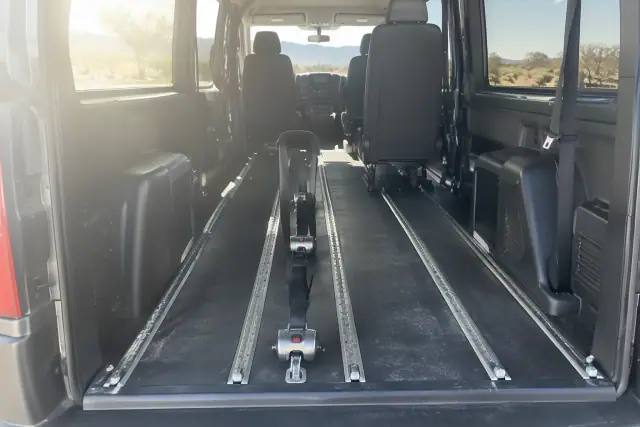
Bariatric hospital discharge transportation vehicle interior with heavy-duty floor tracks in Mesa, AZ.

We coordinate departure timing with case managers and match the equipment to the patient's current mobility. For rides home from Banner Desert Medical Center, Banner Baywood, or Chandler Regional, share any post-procedure positioning or activity restrictions during booking.

Request Estimate

Dialysis Transportation

Padded interior of a dialysis and bariatric transport vehicle in Mesa, AZ, showing secure floor tracks.

Dialysis often requires trips several times a week, month after month. We build recurring pickup schedules around treatment times and coordinate check-in details with dialysis centers around Mesa, including clinics off Southern Avenue.

Request Estimate

Chemotherapy Transportation

Padded vehicle interior with secure floor tracks for chemotherapy transportation in Mesa, AZ.

Infusion visits can leave patients tired or nauseated. Our drivers are trained to recognize these concerns, keep the ride calm and unrushed, and coordinate the return trip after treatment.

Request Estimate

Ambulatory and Appointment Transportation

Interior of a bariatric transport van in Mesa, AZ, showing secure floor tracks and mobility harnesses.

Patients who can walk but need assistance can arrange ambulatory transportation for scheduled medical visits. We review mobility and appointment details first so the ride provides the appropriate level of help.

Request Estimate
Matching the Trip to Your Needs

Specialized Equipment and Ride Options

The right transport depends on more than the appointment address. Patient size, stairs, trip length, and treatment schedules help determine which equipment and support to arrange.

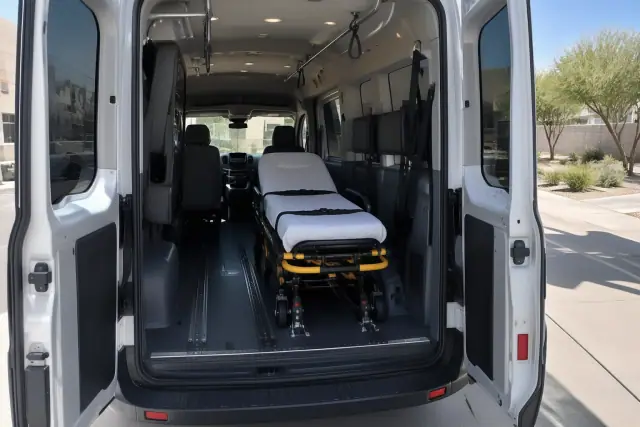
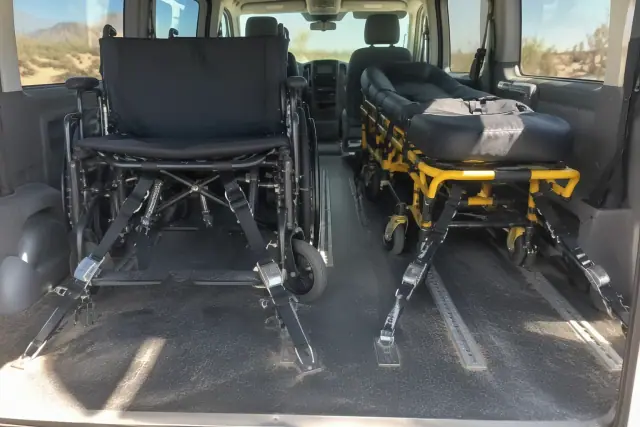
Bariatric wheelchair and stretcher options secured in a transport van in Mesa, AZ.

Bariatric Wheelchair and Stretcher Options

Our higher-capacity equipment supports patients who need more room or load capacity than a standard unit offers. We confirm the fit and rating of the assigned equipment before dispatch.

  • Review of patient weight and body dimensions
  • Bariatric-rated stretchers
  • Reinforced wheelchair frames
  • Wide-door vehicle access
  • Hydraulic loading assistance
Request Estimate
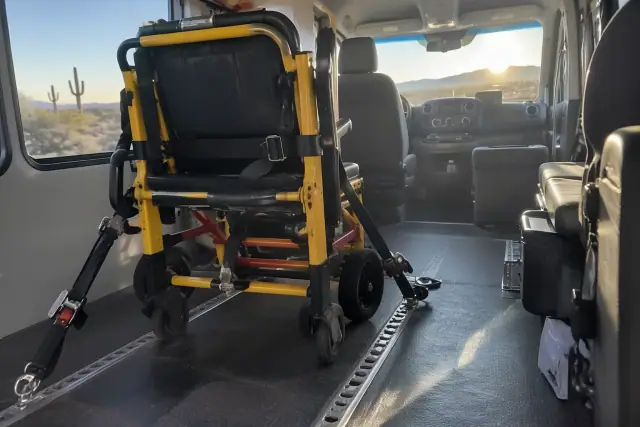
Stair chair transportation secured in a vehicle in Mesa, AZ, with desert sun glare and floor dust.

Stair Chair Transportation

Upper-floor apartments and two-story homes can present access barriers when there is no elevator. Describe the staircase during booking so we can review stair chair needs alongside the rest of the transfer.

  • Staircase access discussed before pickup
  • Narrow stairwell details included in planning
  • Mobility limitations reviewed with the caller
  • Stair chair equipment confirmed in advance
  • Crew assistance instead of family-managed transfers
Request Estimate
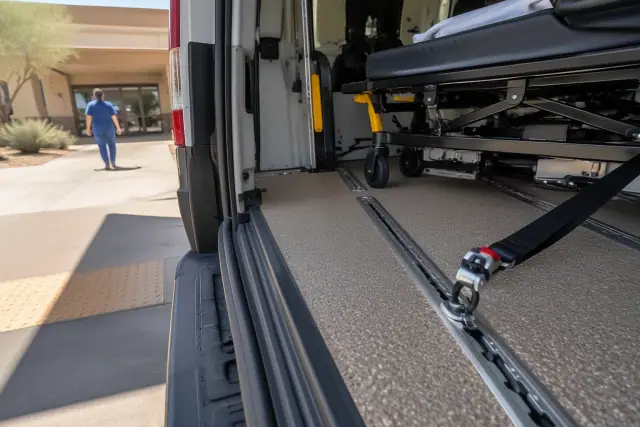
Heavy-duty floor tracks and a wheelchair lockdown clamp for medical transport in Mesa, AZ.

Long-Distance Medical Transportation

We arrange longer rides to specialists, rehabilitation facilities, and hospitals across the Phoenix metro area and beyond. Multi-hour journeys along routes such as US 60 or Loop 202 require attention to comfort as well as arrival time.

  • Destination and appointment timing reviewed
  • Vehicles equipped for multi-hour rides
  • Restroom-accessible stops
  • Patient repositioning breaks
  • Climate control during desert travel
Request Estimate
Interior of a transport van in Mesa, AZ, featuring padded seating, secure floor tracks, and unbranded restraint gear.

Behavioral Health Transportation

Behavioral health rides provide calm transportation to treatment facilities and appointments. This service uses private-pay coordination and staff trained in de-escalation; it is not law enforcement transport.

  • Calm communication throughout the ride
  • Staff trained to de-escalate
  • Treatment facility or appointment coordination
  • Private-pay arrangements discussed in advance
  • Respect for patient dignity
Request Estimate
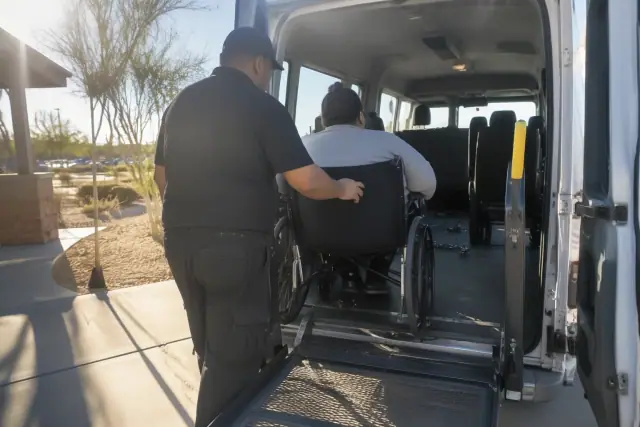
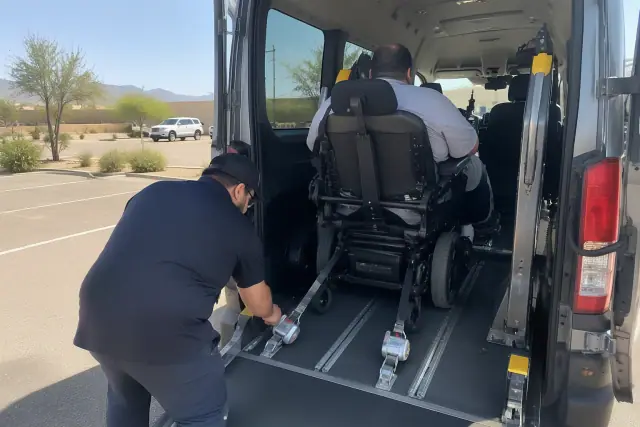
Vehicle interior and exterior during bariatric transportation service in Mesa, AZ, showing dust and sun glare.

Recurring and Return Rides

Ongoing treatment is easier to coordinate when pickup and return details are established together. We confirm recurring appointments days in advance and review the next scheduled pickup with dialysis and chemotherapy riders.

  • Schedules built around treatment calendars
  • Facility check-in requirements considered
  • Appointment pickups confirmed in advance
  • Return trips coordinated after the visit
  • Next recurring pickup reviewed before departure
Request Estimate
Equipment, Training, and Coordination

Choosing the Right Bariatric Transport Team

Ask how the provider matches equipment, trains its crew, and communicates with your facility. Our approach combines hands-on bariatric handling training, vehicle checks, and direct coordination before the trip.

Hands-On Bariatric Handling Training

Drivers and attendants complete practical training in equipment operation and safe transfer mechanics before handling bariatric transports independently. That preparation includes body mechanics, skin and joint protection, and positioning for patients who cannot lie flat.

Equipment Checked Before Dispatch

Our team inspects the lift, straps, and stretcher rating before every dispatch. Regular fleet safety inspections also cover tie-down integrity, tires, and cabin climate control.

Direct Facility Coordination

We communicate with hospital case managers, discharge planners, and destination staff about pickup timing and patient needs. HIPAA-compliant recordkeeping supports the handling of patient information throughout coordination.

Planning Around Real Obstacles

Help With Common Bariatric Travel Challenges

A transport plan needs to account for the barriers between the patient and the appointment. Discuss equipment limits, stairs, positioning, treatment timing, and heat exposure when you call so those needs are addressed before pickup.

Discuss Your Transport Needs

Standard Equipment Does Not Fit

Patients over 300 pounds may encounter limits with standard transport, and typical stretcher weight limits can be around 350 pounds. We review actual weight and dimensions rather than assuming a standard cot or wheelchair will be suitable.

Difficulty Sitting Upright

A seated ride may be unsuitable when a patient needs to remain flat or semi-reclined. Tell us about the care plan and any respiratory positioning needs so we can arrange the appropriate stretcher setup.

Stairs Between the Patient and Pickup

An upper-floor home or narrow stairwell can make departure difficult for someone using a walker or cane. We review stair chair needs before pickup so family members are not left trying to manage the transfer alone.

No Ride Arranged for Discharge

A hospital may need a confirmed transportation plan before releasing a patient. We coordinate with discharge staff and schedule same-day and next-day pickups to help address this gap; call to discuss your discharge timing.

Repeated Appointments Are Hard to Coordinate

Dialysis and chemotherapy create ongoing scheduling demands for patients and families. We confirm recurring rides in advance and coordinate facility timing so each visit has a clear pickup and return plan.

Heat During Loading and Travel

Even a 20-minute trip to Mountain Vista Medical Center can involve uncomfortable heat during loading and unloading in Mesa's summer months. Climate-controlled cabins and checks of the vehicle's cooling equipment help address travel comfort.

What to Expect

Our Bariatric Transportation Process

We review the patient's needs at booking, confirm the equipment before dispatch, and check current conditions before transfer. Facility and return-trip coordination keep the appointment plan connected from start to finish.

01.

Share the Trip Details

Call with the patient's weight, mobility level, pickup address, destination, and appointment time. Include body dimensions, stairs, and any care instructions that affect loading or positioning.

02.

Match Equipment and Crew

We confirm whether the trip needs a bariatric stretcher, reinforced wheelchair, or stair chair. The crew is sized for the assistance required during transfer.

03.

Review Current Needs

Before transport, our team checks that the patient's current condition matches the information provided at booking. Let us know about changes in mobility or positioning needs, especially after surgery.

04.

Inspect the Assigned Vehicle

Before dispatch, we check the lift, straps, and stretcher rating for the assigned trip. Equipment readiness is reviewed for each departure as well as during regular fleet inspections.

05.

Assist With Transfer and Securement

The crew explains the transfer and uses trained body mechanics to help protect the patient's joints and skin. The patient and equipment are secured with attention to the required travel position.

06.

Coordinate the Return and Next Ride

After the appointment, we coordinate the return trip. For recurring dialysis or chemotherapy transportation, we confirm the next pickup before leaving.

Plan Your Next Ride

Arrange Your Bariatric Transportation

Call Mesa Medical Transport with your appointment time, pickup location, and mobility needs. We can discuss equipment, facility coordination, and private-pay pricing before the ride is scheduled.

Questions Before You Book

Bariatric Transportation FAQs

Find answers about equipment, patient comfort, booking, costs, and recurring rides. Call with your specific mobility and appointment details so we can review the transport you need.

Call With Your Questions

Non-emergency medical transportation, or NEMT, is a scheduled ride for someone who needs help reaching care without emergency ambulance response. Mesa Medical Transport matches the vehicle and crew to the patient's mobility and coordinates appointment timing. It is planned transportation rather than a 911 ambulance dispatch.

It includes appropriately rated stretchers or wheelchairs, trained transfer assistance, and attention to pressure points, positioning, and comfort. We review the patient's mobility and care instructions before the ride. Patients who cannot lie fully flat should share their positioning needs when booking.

We use private, unmarked vehicles and crews trained to handle transfers calmly and respectfully. The crew explains each step before acting and involves the number of people needed for the transfer. The aim is a prepared, unrushed experience without unnecessary attention to the patient's size or condition.

Our bariatric-rated stretchers and transport equipment are built to accommodate patients up to 850 pounds. We assess weight, body width, mobility, and transfer needs before assigning a vehicle. The team confirms the suitability and rating of the equipment for the individual trip before dispatch.

We coordinate rides for patients with overlapping needs, such as dialysis treatment, post-surgical mobility limits, or supplemental oxygen use. Share the full mobility and medical information during booking so we can review equipment and positioning requirements. Our attendants are trained to recognize signs of distress and consider the patient's needs throughout the trip.

Phoenix metro standard wheelchair or ambulatory transport commonly ranges from $50 to $150 per trip. Extended or long-distance non-emergency transport generally ranges from $75 to $150 per hour, depending on distance, equipment, and crew size. Bariatric ambulance and bariatric NEMT trips often fall in the $150 to $300+ range per trip because of specialized equipment, additional crew, and transfer complexity. We discuss private-pay pricing for your trip upfront.

AHCCCS may cover medically necessary transportation for eligible members when no other ride is available, subject to the health plan's authorization and documentation requirements. Medicare generally does not cover routine NEMT in the same way, while some Medicare Advantage plans include a transportation benefit. We can help review plan eligibility and authorization before scheduling; coverage depends on the patient's plan and trip.

Have the patient's weight, mobility level, pickup and destination addresses, and appointment time ready. Include body dimensions, stairs or other access concerns, and any instructions about travel position. These details help us match the crew, vehicle, and equipment before pickup.

Yes, we coordinate discharge rides with hospital case managers and discharge planners. Tell us about current mobility, positioning instructions, and activity restrictions so we can prepare the appropriate equipment. We also schedule same-day and next-day pickups to help address discharge transport needs; call to discuss timing.

We offer stair chair transportation for patients whose access involves stairs, including upper-floor apartments and two-story homes. Describe narrow stairwells and the patient's mobility at booking. We review the required equipment and assistance before the trip.

Yes, recurring pickups can be arranged around dialysis and chemotherapy calendars. We coordinate facility check-in details and confirm scheduled appointments days in advance. After the visit, we coordinate the return and review the next recurring pickup.

We provide long-distance medical transportation across the Phoenix metro area and beyond for specialist visits, rehabilitation, and hospital trips. Multi-hour rides can include restroom-accessible stops and patient repositioning breaks. Share the destination and patient needs so we can review the journey before scheduling.

Mesa Medical Transport provides bariatric and non-emergency medical transportation throughout Mesa, Gilbert, Chandler, Tempe, Scottsdale, Apache Junction, and the greater East Valley. Give us the pickup and destination addresses when you call so we can coordinate your specific trip.