Proudly serving Mesa, Gilbert, Chandler, Tempe, Scottsdale, Apache Junction & surrounding areasCall or Text 24/7: 602-601-2703
Aerial drone view of a suburban neighborhood with stucco homes and desert landscaping in Mesa, AZ.

Behavioral Health Transportation in Mesa, AZ for Facility & Treatment Transfers

Mesa Medical Transport provides behavioral health transportation in Mesa, AZ, for patients moving between hospitals, crisis centers, treatment programs, and home. We coordinate psychiatric transfers and hospital discharge rides around each patient's behavioral and mobility needs. Wheelchair, stretcher and gurney, ambulatory, and bariatric transportation options address different levels of assistance. Families and case managers can also arrange medical appointment rides and ongoing treatment transportation.

A transfer can feel overwhelming when a patient is frightened, disoriented, or unsure what comes next. Our drivers and attendants use de-escalation techniques, explain each step, and give patients time to understand the plan. Before pickup, we coordinate with the sending facility about behavioral precautions, medication needs, and the destination. That preparation helps make the ride a calmer part of the transition.

Our crews train in non-violent crisis intervention, hold current CPR and First Aid certification, and follow HIPAA privacy protocols. Call to discuss the pickup window, mobility needs, and receiving facility or family contact.

Mesa Medical Transport provides behavioral health transportation in Mesa, Tempe, Chandler, Gilbert, Queen Creek, Apache Junction, and the greater Phoenix East Valley.

★ ★ ★ ★ ★4.9/5 Average Customer Rating · 19 Years of Transportation Experience · 10,000+ Patient Rides Completed · Licensed & Fully Insured · Serving Patients, Families & Care Facilities

Behavioral Health Transport Options & Benefits

What Is Behavioral Health Transportation?

Behavioral health transportation helps patients experiencing psychiatric crises, depression, suicidal ideation, or acute mental health episodes move between care settings. Trips can connect an emergency department with an inpatient facility, a crisis center with residential treatment, or a psychiatric unit with a step-down program.

These transfers involve more than arranging a vehicle. Staff need to recognize agitation, communicate calmly, respect personal space, and understand the sending facility's precautions. Planning also accounts for mobility limitations and equipment traveling with the patient.

Mesa has more than 504,000 residents and is Arizona's third-largest city. Its scale and the behavioral health facilities serving the East Valley make coordination between care settings an important part of transportation planning.

Support for a Calmer Care Transition

A thoughtful transport plan addresses emotional distress alongside physical assistance. The goal is a private, respectful ride with clear communication at both ends.

  • Calm explanations before each stage of the transfer
  • Verbal redirection and awareness of personal space
  • Low-stimulation cabin lighting
  • Private transport with unmarked vehicles when appropriate
  • Pickup windows coordinated with hospital staff
  • Wheelchair or stretcher arrangements based on mobility needs
  • Medication and equipment details reviewed before departure
  • Documented handoff to the receiving facility or family
Psychiatric Transfers and Related Rides

Behavioral Health and Medical Transport Services

The ride should fit the patient's destination, mobility, and care plan. Alongside behavioral health transfers, we arrange discharge, appointment, and treatment transportation. Ambulatory and stair chair transportation are also available to discuss when planning the assistance needed at pickup and arrival.

Behavioral Health Facility Transfers

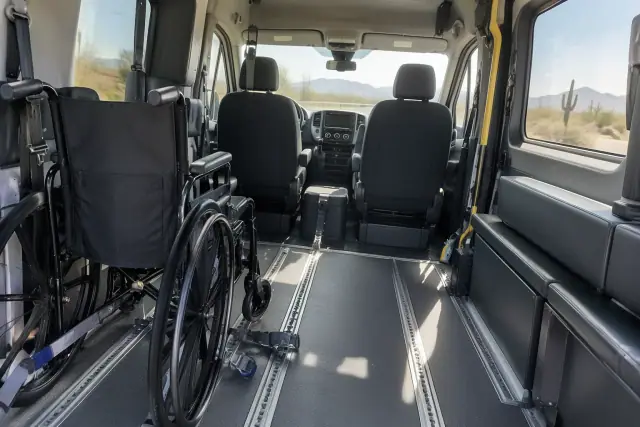
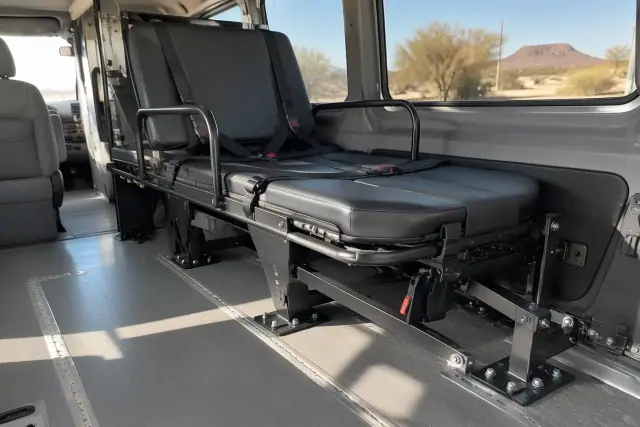
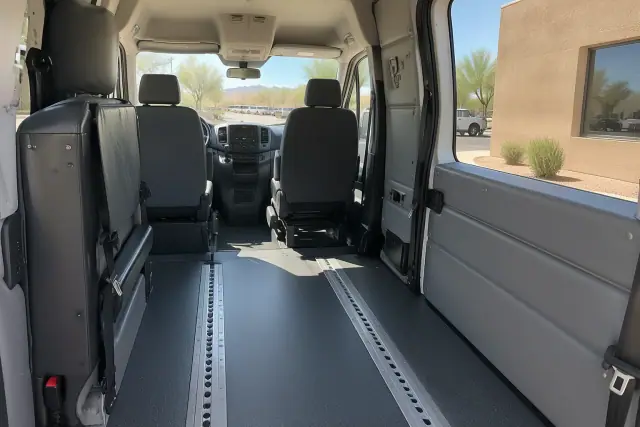
Behavioral health transport van interior cabin in Mesa, AZ, showing secure floor tracks and padded walls.

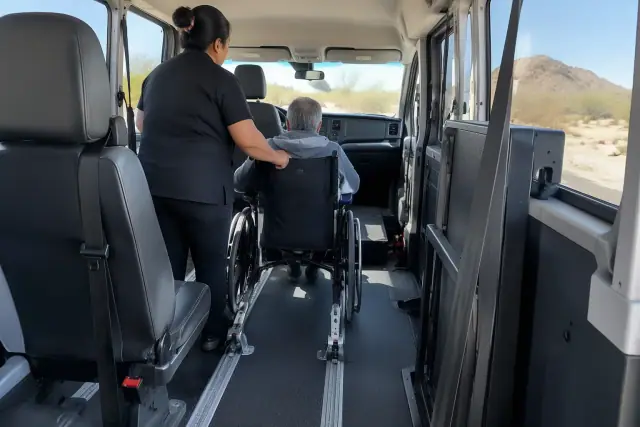
We coordinate psychiatric patient transportation between hospitals, crisis centers, and residential treatment programs. Staff review behavioral precautions before pickup and use steady communication during the transfer. Patients receive explanations about the ride and the next step in their care.

Request Estimate

Hospital Discharge Transportation

Hospital discharge transportation for behavioral health in Mesa, AZ, under bright midday sunlight.

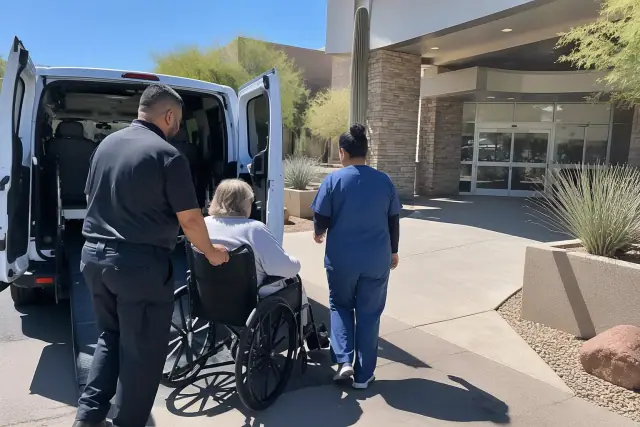
Discharge rides begin with the hospital case manager's timing and handoff plan. We review paperwork, document the patient's condition at pickup and arrival, and coordinate with the receiving facility or family. For trips home, assistance can extend through the front door, with confirmation that someone is present to continue care.

Request Estimate

Medical Appointment Transportation

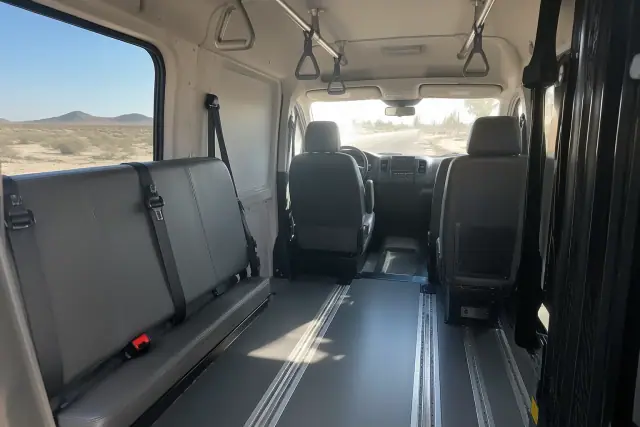
Interior cabin of a transport van with padded seating and floor tracks in Mesa, AZ.

Specialist visits, lab work, and therapy can require several rides in the same week. We arrange recurring appointment schedules and match the vehicle and assistance to the patient's needs. Routine transport pricing depends on mileage, vehicle type, and the level of assistance required.

Request Estimate

Dialysis Transportation

Secured medical transport vehicle cabin with floor tie-downs and padded restraints in Mesa, AZ.

Dialysis transport is often a three-times-a-week commitment that continues for years. Standing ride schedules follow treatment times, with coordination when the center changes a session. Attendants accommodate fistula or catheter precautions during transfers and make space for supplies traveling with the patient.

Request Estimate

Chemotherapy Transportation

Padded medical transport interior with floor tracks and grab handles in Mesa, AZ.

Recurring chemotherapy rides can be scheduled around treatment visits. Tell us about ports, lines, and other equipment so attendants can coordinate transport details with the sending facility. Advance planning gives families a consistent schedule to update when appointments change.

Request Estimate

Long-Distance Medical Transportation

Driver's photo of a transport van interior with padded features and floor tracks in Mesa, AZ.

Longer trips may connect patients with specialty hospitals in Phoenix, Tucson, or out of state. We plan routes and rest stops around medical needs, with climate control, adjustable stretcher positioning, and scheduled breaks for medication or repositioning. Attendants track condition and comfort throughout multi-hour journeys.

Request Estimate
Planning Around Patient Needs

Support for Different Transport Needs

A behavioral health patient may also need a wheelchair, bed-rest positioning, bariatric equipment, or space for medical supplies. We review those requirements alongside the behavioral care plan so the vehicle, staffing, and transfer arrangements fit the trip.

Secure floor tracks and grab handles inside a transport van in Mesa, AZ.

De-escalation and Patient Privacy

A calm environment and a clear explanation can help reduce stress during a psychiatric transfer. Our approach combines crisis communication training with attention to the patient's privacy.

  • Recognition of early warning signs of agitation
  • Verbal redirection and an unhurried tone
  • Personal space awareness during patient interaction
  • Low-stimulation lighting and staff visibility into the rear cabin
  • Secure handling of paperwork and patient information
Request Estimate
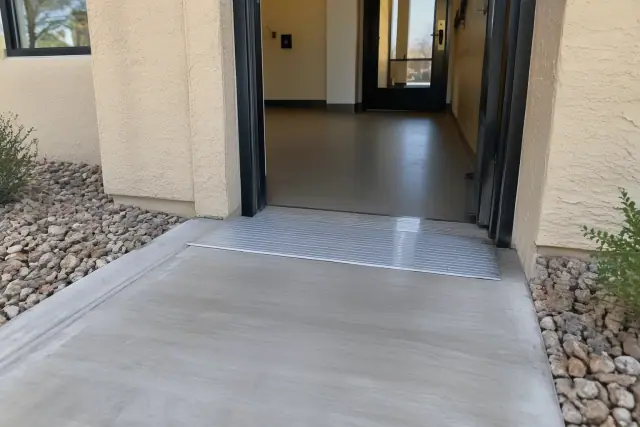
Completed wheelchair accessibility ramp with finished concrete slope at a job site in Mesa, AZ.

Wheelchair Accessibility

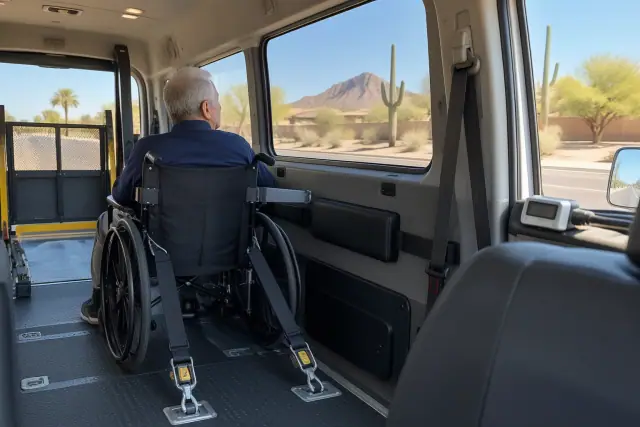
Wheelchair transportation accommodates manual and power chairs, with cabin space planned for the patient and any accompanying mobility equipment. Securement is checked before the vehicle moves.

  • Hydraulic lifts and low-angle ramps
  • Interior clearances for manual and power chairs
  • Four-point tie-down securement rated for transit
  • A separate lap and shoulder restraint for the patient
  • Planned space for oxygen support or a stored walker
Request Estimate
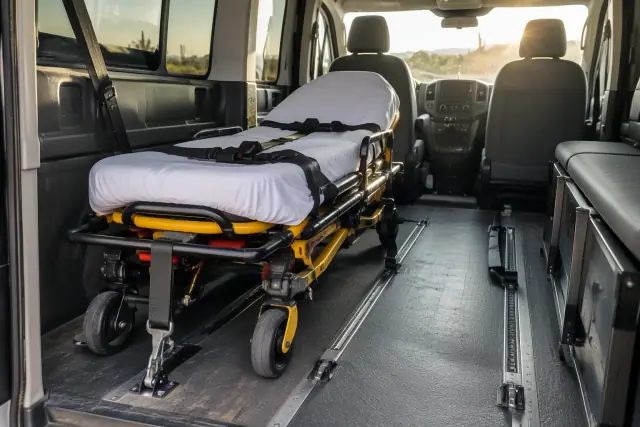
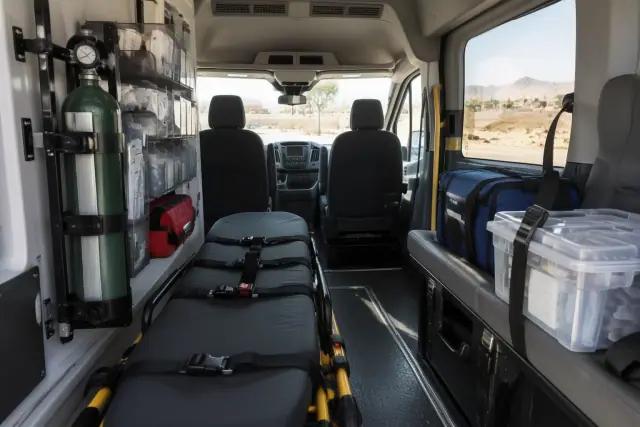
Stretcher and gurney support secured in a vehicle in Mesa, AZ.

Stretcher and Gurney Support

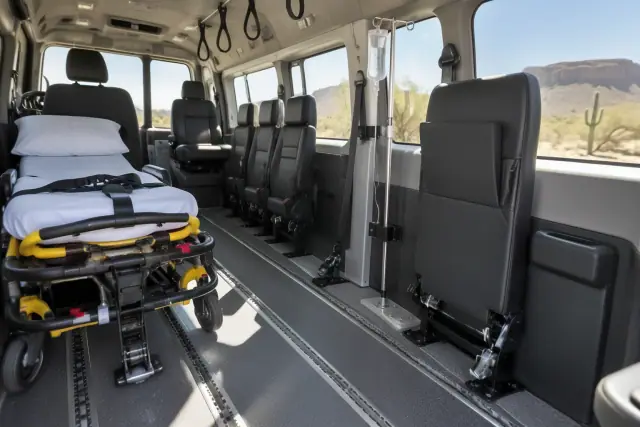
Stretcher transportation supports patients who cannot travel seated because of non-ambulatory status, spinal precautions, or a medical order for bed rest during transit. Attendants coordinate the move with sending and receiving nursing staff.

  • Fixed floor-mounted stretcher fasteners
  • Raised side rails before departure
  • Multi-point straps across the chest, waist, and legs
  • Coordination around IV lines, catheters, and monitoring equipment
  • Adjustable positioning for comfort on longer rides
Request Estimate
Bariatric transfer support installed in a transport van in Mesa, AZ, showing heavy-duty mounting brackets.

Bariatric Transfer Support

Bariatric transportation uses equipment and staffing selected for larger patients. Planning the fit beforehand helps keep transfers comfortable, private, and unhurried.

  • Reinforced vehicle flooring
  • Wider door openings for transfer access
  • Stretchers and wheelchairs rated above standard capacities
  • Powered ramps and bariatric-rated lift equipment
  • Trained two- and three-person lift teams
Request Estimate
Organized supply cases and secure mounting brackets inside a transport van cabin in Mesa, AZ.

Medication and Equipment Coordination

Patients may travel with psychiatric medications, oxygen, catheters, IV equipment, or treatment-related precautions. We review those details with the sending facility before the trip so transport arrangements reflect the care plan.

  • Medication needs reviewed before pickup
  • Equipment identified with sending staff
  • Cabin space planned for supplies traveling with the patient
  • Lines and equipment considered during each transfer
  • Relevant paperwork shared during the receiving handoff
Request Estimate
Matching the Ride to the Care Plan

Choosing the Right Transport Approach

Start with the patient's destination, ability to travel seated, equipment needs, and behavioral precautions. A case manager or discharge planner can help communicate those details before pickup. We use that information to coordinate vehicle space, staffing, and the handoff at the end of the ride.

Trained Crisis Communication

Our drivers and attendants practice verbal redirection, personal space awareness, and early recognition of agitation. They explain what is happening and answer questions honestly, helping patients understand the transfer without feeling rushed.

Prepared Transport Cabins

Psychiatric transport vehicles are configured without loose or sharp interior fixtures and allow staff to see into the rear compartment. Calm lighting supports a low-stimulation ride. Vehicles are maintained to Arizona Department of Health Services non-emergency transport standards.

Coordinated Care Handoffs

We work with hospital social workers, discharge planners, receiving facilities, and families to carry the plan through arrival. Identity checks, discharge paperwork review, and condition documentation help keep the transition organized.

Addressing Transfer Concerns

Practical Help With Transport Challenges

A difficult transfer can involve emotional distress, changing discharge times, mobility limits, or uncertainty about who will receive the patient. Sharing these concerns before pickup helps us plan the ride and coordinate the next step.

Discuss Your Transport

Anxiety or Agitation During a Transfer

Fear and disorientation can make a routine instruction feel overwhelming. Staff use calm explanations, distance management, and verbal de-escalation first whenever possible. If more support is needed, the referring facility's protocol guides the next action.

Concerns About Patient Privacy

Families may worry about a sensitive transfer drawing unwanted attention. Private transport and unmarked or discreetly marked vehicles, depending on the situation, support patient privacy. Information is shared only with authorized people involved in the care plan.

Changing Discharge or Pickup Times

A ride can become difficult to coordinate when discharge timing, the destination, or the required assistance changes. Let our office know as soon as plans shift. Dispatch can then adjust the vehicle and staffing assignment around the updated information.

Mobility Needs Alongside Behavioral Care

A psychiatric transfer may also involve a wheelchair, bed-rest requirement, or bariatric equipment. Discuss those needs before pickup so the transfer method and cabin space can be planned together. The patient's physical needs deserve the same attention as the behavioral care plan.

Heat and Discomfort in Transit

Mesa summer temperatures regularly exceed 100 degrees, making vehicle comfort particularly important for patients with compromised health. Climate-controlled cabins help manage the ride environment. Longer journeys also allow planned breaks for medication or repositioning.

Gaps Between Treatment Visits

Repeatedly arranging transportation can become a burden when appointments are frequent or a patient is moving to a step-down program. Standing schedules help organize recurring rides, while coordination with the receiving program supports the transition after inpatient treatment.

From Booking to Arrival

Our Behavioral Health Transport Process

Each transfer starts with the information needed to plan the ride and ends with a clear handoff. Families, case managers, and facility staff can help by sharing mobility needs, behavioral precautions, and changes to the schedule before departure.

01.

Discuss the Trip and Patient Needs

Share the pickup location, destination, expected timing, and level of assistance needed. Include mobility limitations, equipment, and behavioral concerns so we can plan the vehicle and staffing.

02.

Coordinate With the Sending Facility

We confirm the pickup window with the hospital social worker, discharge planner, or care team. Medication needs and behavioral precautions are reviewed before the patient reaches the vehicle.

03.

Prepare the Vehicle and Transfer

Equipment and cabin space are prepared for the patient's mobility needs. Staff coordinate with nursing teams around lines or monitoring equipment and secure wheelchairs or stretchers before departure.

04.

Explain the Ride to the Patient

Staff describe each step, answer questions, and keep a steady pace during boarding. Calm communication and awareness of personal space help the patient understand what is happening.

05.

Support the Patient in Transit

Attendants watch the patient's condition and comfort throughout the ride. If agitation develops, staff use verbal de-escalation and follow the referring facility's protocol when additional support is needed.

06.

Complete the Receiving Handoff

At arrival, we review the relevant discharge paperwork with the receiving facility or family and document the patient's condition. For a trip home, we assist inside when needed and confirm someone is present to continue care.

Plan the Next Care Transition

Arrange Behavioral Health Transportation

Contact Mesa Medical Transport with the pickup window, destination, mobility needs, and facility or family contact. We can discuss the transfer plan, recurring ride arrangements, and paperwork for insurance or self-pay transportation.

Answers for Families and Case Managers

Behavioral Health Transportation FAQs

These answers cover scheduling, privacy, mobility, and coordination for behavioral health transportation in Mesa. For a specific transfer, call with the sending facility's instructions and the patient's assistance needs.

Call Our Team

Our drivers and attendants complete de-escalation and crisis communication training, including recognizing agitation early and responding calmly. They hold current CPR and First Aid certification and are trained in HIPAA-compliant handling of patient information.

We follow HIPAA privacy protocols and share patient information only with authorized medical staff or family members involved in the care plan. Vehicles are unmarked or discreetly marked depending on the situation. Paperwork and patient details are handled securely.

Yes. Tell us about psychiatric medications, oxygen, catheters, IV equipment, ports, lines, or dialysis access precautions before pickup. Our attendants coordinate with the sending facility to understand the equipment and how it needs to be secured during the ride.

Staff use a calm tone, clear communication, and distance management to de-escalate verbally whenever possible. If additional support is needed, we follow the referring facility's protocol. This may involve contacting medical staff or requesting support before continuing.

Many rides can be billed through AHCCCS or private insurance non-emergency transport benefits, depending on the patient's plan and medical necessity documentation. We help families and case managers understand the paperwork typically required for a claim. Self-pay options are also available when a trip is not covered.

For routine appointments, dialysis, or chemotherapy, we recommend scheduling at least a few days ahead to request your preferred time. Hospital discharges and behavioral health transfers may be more time-sensitive, and we work to accommodate same-day requests when the schedule allows. Recurring rides can be arranged as a standing schedule.

Yes, every vehicle is climate controlled, and cabins accommodate wheelchair and stretcher patients. Adjustable positioning supports comfort on longer rides. Vehicles are cleaned and maintained between transports.

Call our office as soon as you learn about a change in pickup time, destination, or assistance needs. Dispatch can adjust the vehicle and staffing assignment. For recurring treatment rides, the existing schedule provides a starting point for updates.

Yes, wheelchair transportation can be planned alongside the patient's behavioral care needs. Tell us whether the patient uses a manual or power chair and whether a walker, oxygen, or other equipment will travel with them. That information helps us prepare cabin space and transfer arrangements.

Stretcher or gurney transportation is used for patients with non-ambulatory status, spinal precautions, or a medical order for bed rest during transit. Share the sending care team's instructions when arranging the trip. Attendants coordinate the transfer with nursing staff, including any lines or equipment.

Routine transport pricing depends on mileage, vehicle type, and the level of assistance needed. Provide the pickup location, destination, and patient requirements so the trip can be discussed. Insurance billing depends on the plan and supporting medical necessity paperwork.

Mesa Medical Transport serves Mesa, Tempe, Chandler, Gilbert, Queen Creek, Apache Junction, and the greater Phoenix East Valley. When booking, provide both the pickup location and receiving destination so the ride can be coordinated.

Yes, long-distance medical transportation can include specialty-hospital trips to Phoenix, Tucson, or out of state. Routes, rest stops, and timing are planned around the patient's medical needs. Multi-hour journeys can include scheduled breaks for medication or repositioning, with attendants tracking comfort and condition.