Ambulance Need Matters
A medical appointment does not by itself make the ride covered. Part B ambulance eligibility depends on why a car or wheelchair van would put the patient's health at risk.
Mesa Medical Transport helps Mesa families arrange long distance medical transportation when Medicare benefits do not meet the trip's needs. Original Medicare usually does not pay for routine non-emergency rides, although medically necessary ambulance trips may qualify. Before planning travel for dialysis, specialty care, or a hospital discharge, separate the ride you need from the benefit your plan actually covers.
A medical appointment does not by itself make the ride covered. Part B ambulance eligibility depends on why a car or wheelchair van would put the patient's health at risk.
A preferred hospital can be farther away than the nearest facility able to treat the patient. The reason for that destination matters more than crossing a city or state line.
Review the plan's Evidence of Coverage, physician documentation, and any required authorization. Confirm the covered transport type before scheduling the ride.
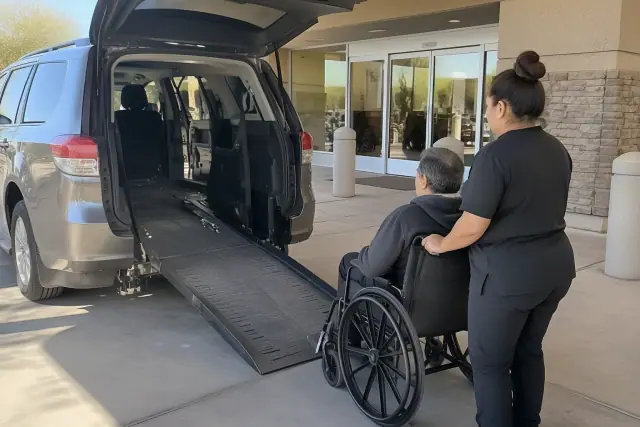
A wheelchair-accessible vehicle can meet mobility needs, but wheelchair transport generally sits outside Original Medicare's ambulance benefit.
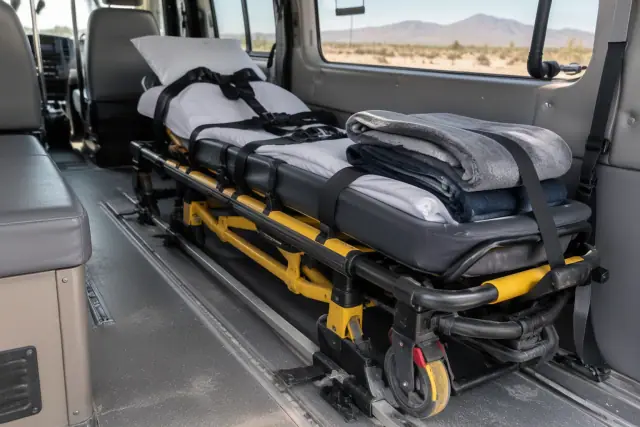
Stretcher and bariatric trips require a vehicle and staffing suited to the patient. Needing to travel lying down does not by itself establish Medicare ambulance eligibility.

Check trip limits, destination restrictions, and any required authorization before scheduling. Written benefit details help families separate insurance coverage from the transport quote.
Ambulatory or wheelchair transport generally costs less than stretcher or bariatric transport. Oxygen, monitoring, and a second attendant can change the quote.
A per-mile price does not necessarily include the base charge. For travel from Mesa to Tucson or across state lines, ask how staffing time and equipment affect the total.
For a covered Part B ambulance trip, beneficiaries generally pay 20 percent of the Medicare-approved amount after meeting the Part B deductible, unless other coverage pays some or all of that share.
Medicare Advantage cost sharing depends on the plan and covered transport benefit. Ask for the exact charge for this trip instead of applying another plan's copay.
| Coverage or Payment | How a Longer Trip May Fit | What to Confirm |
|---|---|---|
| Original Medicare Part B | Medically necessary ambulance transport may qualify when the nearest appropriate facility is far away. Routine non-ambulance rides generally do not. | Why other transportation could endanger health, the destination, and required medical documentation. |
| Medicare Advantage | Some plans add rides beyond the Original Medicare ambulance benefit, with limits on trips and distance. | The current Evidence of Coverage, approved transport arrangements, mileage limits, authorization, and cost sharing. |
| AHCCCS | Eligible members may receive non-emergency transportation to covered care, including specialty care unavailable locally. | Member eligibility, the covered appointment, destination, and plan arrangements before travel. |
| Private Pay | Wheelchair, stretcher, or bariatric transport can address needs outside available insurance benefits. | The vehicle, attendants, equipment, mileage charge, base rate, and written total. |
Original Medicare's ambulance benefit is based on medical necessity and destination, not a mileage allowance. A trip over 100 miles or across a state line may qualify when the required care is unavailable closer, but distance and a preferred hospital are not enough. For a scheduled non-emergency ambulance trip, ask the clinician and ambulance provider what physician certification and authorization are required. The record should explain why a lower level of transport could endanger the patient's health and why the destination is appropriate. A signed order supports review; it does not guarantee payment.
Private long distance medical transport typically costs $2 to $5 per loaded mile, plus a base rate for staffing, equipment, and vehicle preparation. Loaded mileage is the distance traveled with the patient aboard. A 100-mile stretcher or bariatric transfer from Mesa can cost several hundred dollars; vehicle needs, care requirements, and attendants affect the total. Mesa's more than 500,000 residents include retirees and seasonal residents arranging recurring dialysis and chemotherapy trips. Routes along US-60 and Loop 202, peak summer heat, and monsoon delays make pickup and appointment timing part of planning. Ask for a written total before dispatch, including the equipment and staffing needed for the trip.
Does Medicare cover rides to dialysis or chemotherapy? Routine appointment rides generally are not covered by Original Medicare; a medically necessary ambulance trip may qualify. Does it cover a long distance ride home after discharge? Do not assume an approved trip into the hospital also pays for the return; confirm the discharge transport separately. Can Medicare Advantage help? Some plans include supplemental rides, with their own trip and mileage limits. In 2024, transportation benefits were offered by 36 percent of plans available for general enrollment and 88 percent of special needs plans; those figures do not establish current benefits or long distance coverage. Does Medicare cover air transport? Emergency air ambulance coverage may apply when immediate, rapid transport is medically necessary and ground transport cannot meet that need.
Share the pickup location, destination, appointment or discharge time, and whether the patient needs wheelchair, stretcher, bariatric, or stair chair assistance. Mesa Medical Transport arranges long distance trips from Mesa and Maricopa County throughout Arizona and across state lines. Confirm the suitable vehicle, staff, written quote, and any insurance authorization before booking.