Ambulatory Rates Start Lower
Patients who can walk or transfer with minimal assistance generally pay $2 to $4 per mile, with a base fee around $15 to $35. Mobility needs determine which rate category fits.
Mesa Medical Transport quotes East Valley trips by mileage, care level, and vehicle type so families can understand the cost before booking. Non-emergency medical transport typically costs $2.50 to $10 per mile, with base fees and other charges added to the fare. This guide explains how wheelchair, stretcher, and long-distance pricing differ and what to confirm about Medicare or AHCCCS coverage.
Patients who can walk or transfer with minimal assistance generally pay $2 to $4 per mile, with a base fee around $15 to $35. Mobility needs determine which rate category fits.
One attendant versus two, a wheelchair ramp, a cot, or a bariatric lift changes staffing and equipment needs. The lowest mileage rate only helps if the service can accommodate the passenger.
Confirm the base fee, billed miles, included equipment, and possible waiting charges. Mesa Medical Transport calculates loaded miles from pickup to drop-off rather than garage-to-garage distance.
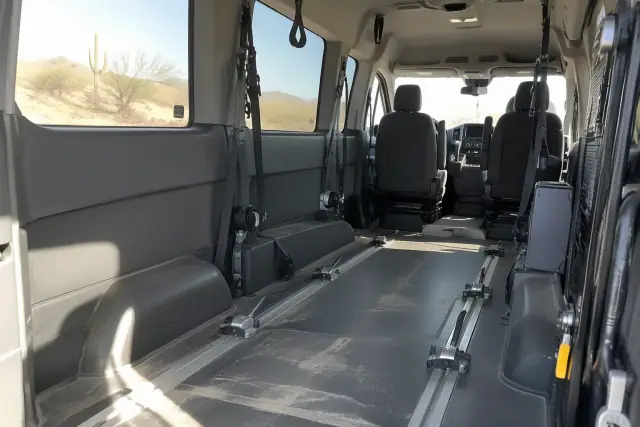
A wheelchair van needs loading access and securement equipment. These are part of the service you are comparing alongside the mileage rate.
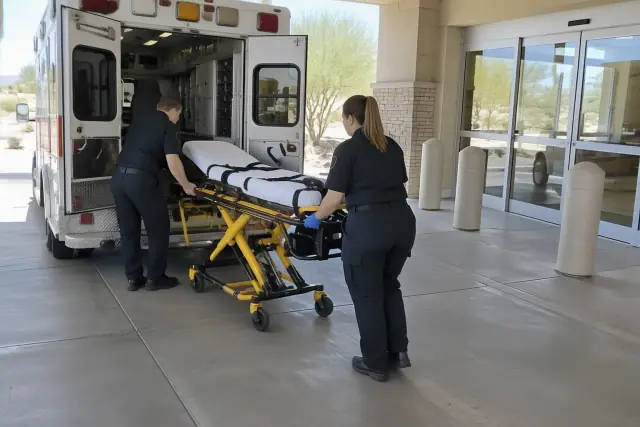
Stretcher transport typically requires two trained attendants and a cot-equipped vehicle. That added staffing helps explain its higher base and mileage charges.
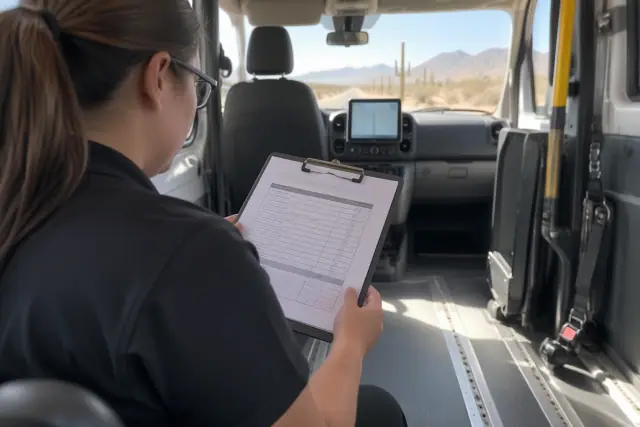
Review pickup and destination details alongside base fees, mileage, and possible wait time. A clear quote shows how each charge contributes to the trip total.
General base fees typically run $15 to $115, with specialized transport potentially higher. A base fee may include dispatch, the driver, required equipment, and the first 1-3 miles; confirm where separate mileage billing starts.
Bariatric service commonly runs 20-40% above standard rates because of reinforced equipment and additional staffing. Stair chair assistance is usually a loading or unloading add-on, not a separate per-mile category.
Three-times-weekly dialysis trips may qualify for standing-order pricing. Chemotherapy transportation generally runs $2.50 to $5 per mile; comfort, temperature control, and unpredictable appointment finish times also matter.
National Medicaid NEMT reimbursement rates range from $0.70 to $10.00 per loaded mile, with most states contracting at $2.50 to $5.00 for standard ambulatory and wheelchair service. Those figures describe provider reimbursement. Ask your health plan about eligibility and required authorization before arranging a ride.
These typical ranges distinguish the load fee from mileage charges. Long-distance transport is often quoted as a total trip price.
| Transport type | Typical base/load fee | Typical mileage or trip price | What affects the quote |
|---|---|---|---|
| Ambulatory | $15-$35 | $2.00-$4.00 per mile | Passenger can walk or transfer with minimal assistance. |
| Wheelchair | $45-$55 | $3.00-$5.00 per mile | Wheelchair loading, securement, and trip distance. |
| Stretcher/gurney | $100-$200 | $5.00-$10.00 per mile | Two trained attendants and a cot-equipped vehicle. |
| Bariatric | $60-$250 | $4.00-$8.00 per mile | Reinforced equipment, specialized lift, and additional staffing. |
| Long-distance | Quoted as a flat trip rate | $5,000-$20,000 total trip price | Distance, medical staffing, and vehicle type; this is not a per-mile rate. |
Confirm included miles and any waiting, stair chair, weekend, after-hours, or fuel charges before booking.
The total combines the base/load fee, billable mileage beyond any included allowance, and applicable extras. Broad national ambulatory and wheelchair rates cluster around $1.75 to $5.00 per mile, but the service-specific ranges above are more useful when comparing quotes. A 10-mile Arizona wheelchair trip typically totals $75 to $105 including load charges. Local Mesa-area trips under 15 miles can range from $25 to $200 across service types; specialized care or extra charges can take a trip outside that range. Some providers charge an additional $3 to $10 per mile beyond their base service area, so confirm the mileage boundary. Long-distance trips, described here as over 50-100 miles, are often flat-priced; for a transfer to Tucson, Flagstaff, or out of state, ask for the full trip quote.
Mesa has over 504,000 residents across a broad East Valley footprint near Tempe, Chandler, Gilbert, and Apache Junction. A pickup near Falcon Field and a trip toward Queen Creek can involve very different distances, while local trips within a 10-15 mile radius generally stay toward the lower end of per-mile ranges. Rush-hour traffic on Main Street, the US-60 corridor, or the US-60/Loop 202 interchange can also affect travel and waiting time. Behavioral health transport often runs $4 to $8 per mile plus a higher base fee because of specialized training and, sometimes, secure vehicle configurations. A hospital discharge usually follows wheelchair or stretcher pricing, with same-day scheduling sometimes adding an urgency fee. Compare the passenger assistance, equipment, timing, and route behind each quote.
Does Medicare pay for the ride? Traditional Medicare generally does not cover routine wheelchair van or ambulatory trips. Part B covers qualifying medically necessary ambulance transportation when another vehicle could endanger the patient; after the Part B deductible, Medicare generally pays 80% of the approved amount and the beneficiary pays 20%. Does AHCCCS cover non-emergency transportation? Eligible members may have transportation benefits for covered medical services; contact your health plan to confirm eligibility and any required authorization before scheduling. Does an ambulance use these rates? Emergency ambulance billing is separate and can range from several hundred to over a thousand dollars depending on service and mileage. Call 911 for a medical emergency. How should I compare providers? Ask about base fees, loaded miles, waiting charges, licensing, and equipment appropriate to the passenger before booking.
Share the pickup and destination, appointment time, mobility needs, and any stair or lift requirements. Mesa Medical Transport can quote the trip based on the distance, care level, and vehicle needed so you can review the charges before booking.