Proudly serving Mesa, Gilbert, Chandler, Tempe, Scottsdale, Apache Junction & surrounding areasCall or Text 24/7: 602-601-2703
Guides

How Much Does Non-Emergency Medical Transport Cost Per Hour?

Mesa Medical Transport quotes rides across Mesa and the East Valley based on vehicle type, distance, and waiting time. For a dialysis appointment, hospital discharge, or longer transfer, the hourly charge usually covers time the vehicle waits; the ride itself commonly has a base fare plus mileage. Understanding that distinction helps you budget for the full trip.

Quick Summary

  • Most non-emergency medical transportation (NEMT) trips use a base fare plus mileage, so there is no single hourly rate for the whole ride.
  • Wait-time fees generally run $25 to $45 per hour. Wheelchair and stretcher waiting can cost $45 per hour or more, depending on equipment and staffing.
  • Typical local trip prices are $35 to $60 for an ambulatory sedan, $65 to $115 for a wheelchair van, and $300 to $525 for stretcher transport.
  • Compare the complete fare, including mileage, appointment holds, and equipment charges, and confirm any insurance coverage before booking.

Understanding Hourly Transport Charges

Hourly Fees Usually Cover Waiting

An hourly fee usually applies when the vehicle stays during dialysis, chemotherapy, or another appointment. Ambulatory waiting is typically around $25 per hour; wheelchair and stretcher waiting can be $45 per hour or more.

Vehicle and Crew Change the Fare

Wheelchair trips require lift or ramp equipment and securement time. Stretcher trips add cot equipment and two-attendant staffing, while bariatric transport may need reinforced equipment and extra staff.

Request a Written Fee Breakdown

Ask for the base fare, included mileage, extra-mile rate, hourly hold fee, and equipment charges. Confirm whether the quoted amount covers the return trip before comparing prices.

Vehicle Features That Affect Pricing

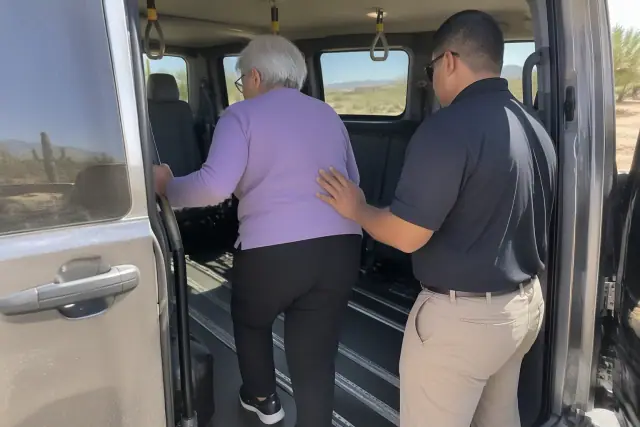
Ambulatory Sedan Pickup for a Medical Appointment

Interior of medical transport vehicle with floor tracks and grab handles in Mesa, AZ.

A sedan is the lower-cost option for an ambulatory passenger. Mileage and time spent waiting at the appointment affect the final bill.

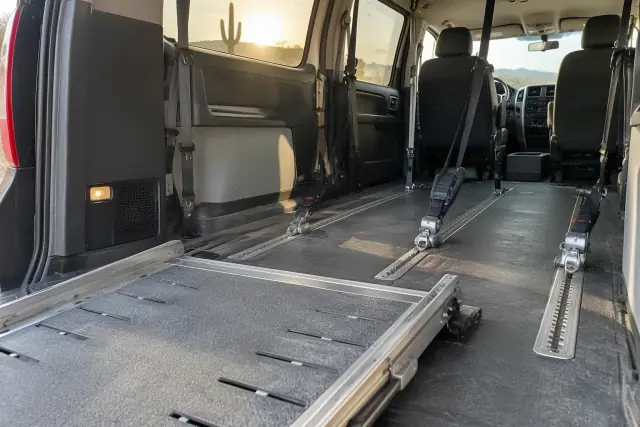
Wheelchair Van Ramp and Passenger Securement

Wheelchair van ramp and passenger securement inside a transport vehicle in Mesa, AZ.

A lift or ramp and wheelchair securement add equipment and loading time. These requirements help explain why a wheelchair trip costs more than a sedan ride.

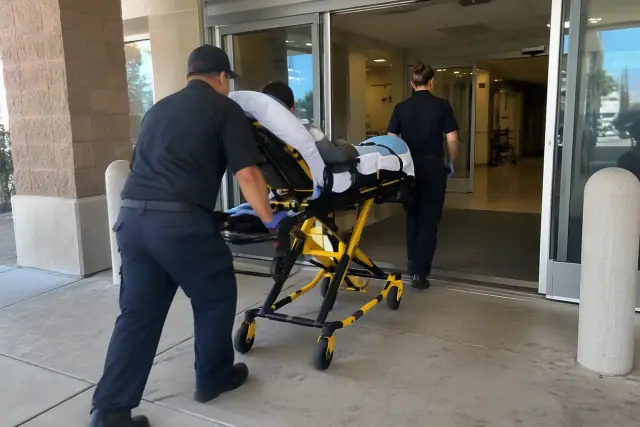
Stretcher Loading With Two Transport Attendants

Two transport attendants loading a stretcher into an ambulance bay in Mesa, AZ.

Cot equipment and two-attendant staffing raise stretcher transport costs. Confirm these needs before comparing a stretcher quote with a wheelchair ride.

What Goes Into Your Fare

Base Fare

Base fares commonly start near $25 to $45 for ambulatory transport, $45 to $100 for wheelchair transport, and $100 to $225 for stretcher transport before added mileage. They cover pickup, loading, and the first few miles.

Mileage Beyond the Included Distance

Ambulatory and wheelchair mileage typically costs $2.50 to $3.00 per mile after the distance included in the base fare. Stretcher and long-distance quotes may account for attendant hours and total distance instead of using that same per-mile rate.

Appointment Holds

Multi-stop days and extended standby can combine a base fare with hourly vehicle holds. Confirm whether the vehicle will stay during the appointment and how that waiting time will be billed.

Equipment and Access Charges

Bariatric equipment, stair chair carries, and oxygen support can add surcharges. Describe building access and equipment needs when requesting a quote, then ask which charges are already included.

Medical Transport Prices by Service

Local rides and long-distance transfer costs

These typical private-pay trip ranges are separate from hourly waiting fees. Rates are for local trips unless marked long-distance; dialysis and chemotherapy prices are round trip. Confirm how mileage, waiting, and equipment charges apply to your ride.

Transport serviceTypical trip priceTrip scope and cost factors
Ambulatory sedan transport$35 to $60Local trip; mileage and appointment waiting affect the total.
Wheelchair transportation$65 to $115Local trip; lift or ramp equipment and securement time affect pricing.
Stretcher and gurney transportation$300 to $525Local transfer; cot equipment and two-attendant staffing drive the cost.
Bariatric transportation$150 to $400+Local trip; reinforced vehicles, specialized equipment, and extra staff affect the total.
Stair chair transportation$75 to $150Local trip; building access, attendant training, and carry time affect pricing.
Dialysis transportation$45 to $90 round tripRecurring local ride; scheduling and waiting time affect the total.
Hospital discharge transportation$65 to $200Local discharge trip; equipment, paperwork coordination, and timing affect pricing.
Long-distance medical transport$500 to $4,000+Long-distance transfer; miles, attendant hours, and possible overnight stays affect the total.
Behavioral health transportation$75 to $150Local trip; specialized attendant training and safety protocols affect pricing.
Chemotherapy transportation$45 to $90 round tripRecurring local ride; scheduling and patient comfort needs affect the total.
Medical appointment transportation$35 to $80Local appointment trip; vehicle type, mileage, and waiting time affect pricing.

How to Estimate the Full Trip Cost

Estimate the total by adding the base fare, billable miles multiplied by the per-mile rate, waiting hours multiplied by the hourly rate, and any equipment surcharge. Confirm the included mileage so you do not count those miles twice. Phoenix metro per-trip totals average $40 to $120 depending on distance and vehicle type, including trips around Mesa and Chandler; specialized transfers can cost substantially more. Non-emergency ambulance transport has a separate pricing structure, with base rates starting around $100 to $225 plus mileage and separately billed waiting or standby.

Why Complex Trips Cost More

Long-distance stretcher transfers typically run $1,000 to $4,000+, reflecting attendant hours, fuel, and sometimes overnight crew lodging. Reinforced ramps, wider gurneys, and higher weight-rated lifts can increase bariatric transport costs. Evening or weekend scheduling, hospital discharge timing, and distance from Maricopa County population centers can also change a quote. Traffic along US-60 and Loop 202 and near Superstition Springs affects East Valley trip planning, so provide the actual appointment time when scheduling.

Common Follow-Up Questions

Does insurance cover the fare? AHCCCS covers NEMT for eligible Arizona Medicaid members, typically through their managed care plan; confirm covered services, advance booking, and authorization before arranging a ride. Standard Medicare generally does not pay for routine appointment transportation, while medically necessary ambulance transport has different coverage conditions. Some Medicare Advantage plans include transportation benefits, and commercial coverage varies by policy. Can recurring rides be scheduled together? Ask about a standing schedule for dialysis or chemotherapy and whether the price includes the return ride. Same-day requests depend on vehicle availability.
Plan Your Ride

Get an Itemized Trip Quote

Provide the pickup address, destination, appointment time, return-trip needs, and any wheelchair, stretcher, bariatric, or stair chair requirements. Request a written breakdown of the base fare, mileage, waiting time, and equipment charges, and confirm any insurance authorization before booking.