Separate Treatment and Ride Coverage
A plan that pays for dialysis may still leave routine transportation uncovered. Check the transportation benefit itself before assuming a wheelchair van or ambulatory trip will be paid.
Mesa Medical Transport helps families plan recurring dialysis rides across Mesa and the East Valley, where knowing who pays is part of keeping treatment on schedule. Payment may come from AHCCCS, a Medicare Advantage transportation benefit, medically necessary ambulance coverage under Original Medicare, or private pay. Coverage for dialysis treatment does not automatically cover the ride.
A plan that pays for dialysis may still leave routine transportation uncovered. Check the transportation benefit itself before assuming a wheelchair van or ambulatory trip will be paid.
Ambulatory, wheelchair, stretcher, stair chair, and bariatric transportation address different access needs. Confirm the vehicle and assistance required, then ask whether the plan covers that type of ride.
Ask the clinic's social worker and your insurer which booking route applies. Confirm the approved provider, any required authorization, and the return ride before setting a recurring schedule.
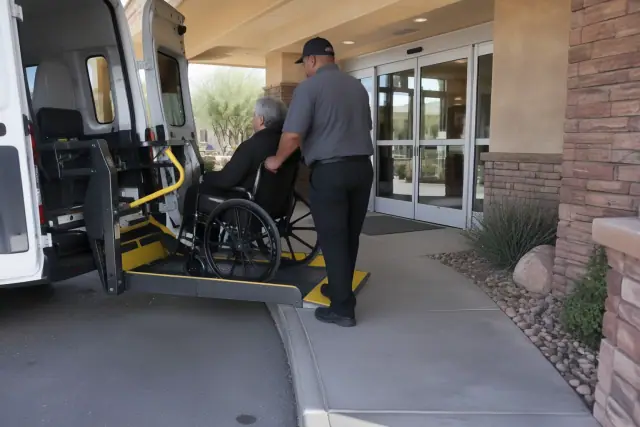
A ramp or lift and four-point wheelchair securement are key features of wheelchair transportation. Confirm that the ride booked through your benefit supports your mobility needs.
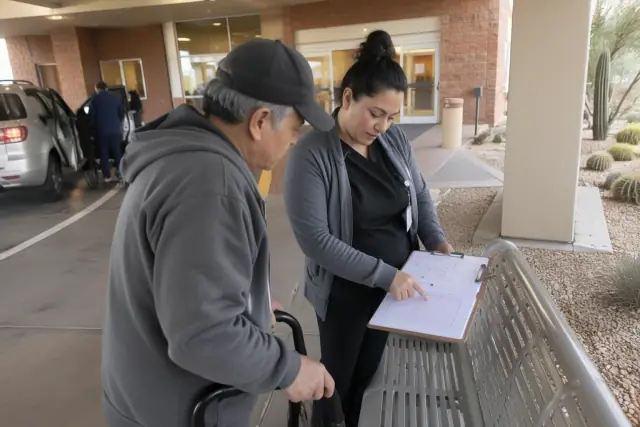
A clinic social worker can help identify covered transportation and current assistance programs. Bring your insurance details and treatment schedule to the conversation.
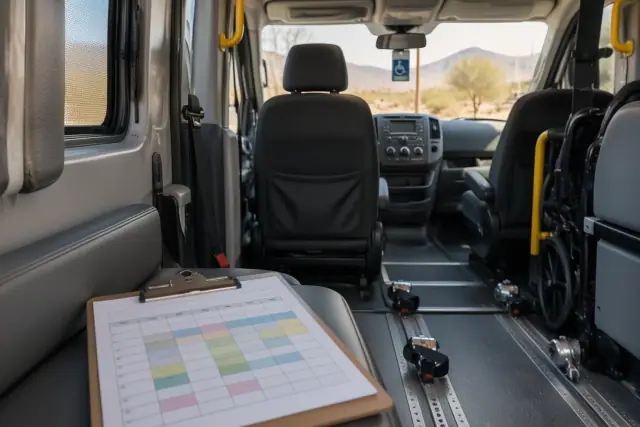
Many patients attend dialysis three times a week, with sessions lasting three to four hours. Coordinate pickup and return arrangements around the actual treatment calendar.
Ambulatory rides typically cost $25-$45 one way. Ask whether the quoted fare includes the full route or whether mileage charges apply.
Wheelchair van transportation typically runs $45-$90 one way. Confirm accessible loading, the destination, and the return fare when comparing quotes.
Stretcher or gurney transportation generally costs more. Mileage charges may add roughly $2-$10 per mile beyond a provider's base service area.
A trip from a Mesa care facility to a nearby dialysis center might cost $110-$130 round trip, depending on distance and equipment. Confirm the full price before setting the weekly schedule.
| Possible payer | When it may apply | What to confirm before booking |
|---|---|---|
| Original Medicare Part B | Medically necessary ambulance transport that meets coverage requirements. | Ask the treating clinician and ambulance provider about documentation and any prior authorization. Routine van rides are generally excluded. |
| AHCCCS | Qualifying NEMT to covered dialysis care for eligible members who need transportation assistance. | Call the plan's member services team to confirm eligibility and arrange an approved provider or broker. |
| Medicare Advantage | A supplemental transportation benefit, if included in the specific plan. | Check trip limits, authorized vehicle types, advance notice, and the required booking channel. |
| Private or long-term care insurance | Transportation benefits only when included in the policy and applicable to the trip. | Ask the insurer about medical-necessity rules, authorization, and payment or reimbursement requirements. |
| County or nonprofit assistance | Limited free or reduced-cost rides or help for qualifying patients when funding is available. | Ask the clinic social worker about current programs, applications, and waitlists. |
| Patient or family | Private-pay rides when coverage is unavailable or benefits do not cover the trip. | Request a full fare for the required vehicle, mileage, and return journey before agreeing to recurring trips. |
For a qualifying ambulance trip, Medicare Part B pays 80 percent of the Medicare-approved amount after the deductible is met. The remaining 20 percent is generally the patient's responsibility unless supplemental coverage applies. Medical necessity must be documented, and recurring ambulance trips may involve prior authorization; a physician's order alone does not guarantee payment. Routine wheelchair van and ambulatory rides generally fall outside this benefit. End-stage renal disease may allow Medicare eligibility regardless of age when other eligibility requirements are met, but dialysis treatment coverage and transportation coverage remain separate.
Mesa has over 504,000 residents, and dialysis travel may extend into Tempe, Chandler, Gilbert, or Apache Junction. A standing schedule should account for clinic hours, the return ride, post-treatment fatigue, and home access such as stairs without an elevator. Confirm any need for stair chair assistance, a stretcher, or bariatric equipment before the first pickup. Consistent rides help patients keep treatments on schedule: one NEMT study estimated Medicaid savings of $3,423 per month for each dialysis enrollee studied. That figure describes estimated program savings, not money paid to a patient or a transportation allowance.
Does the clinic provide the ride? Some clinics help arrange transportation or identify providers, but assistance varies, so ask the social worker directly. Are free or reduced-cost trips available? AHCCCS benefits and limited county or nonprofit assistance may help qualifying patients; ask about current availability, eligibility, and waitlists. Can you claim reimbursement after paying privately? Ask your plan whether it allows the claim and what filing deadline applies, and keep receipts and trip logs; repayment is not automatic.
Have your treatment days, clinic location, insurance details, and mobility needs ready when asking about transportation. Confirm covered booking arrangements with your plan first, or request a private-pay quote that includes the return trip. A recurring schedule can then be coordinated around the dialysis center's hours.